Water shapes how every site performs. Whether it is a downtown street or a rural access road, the way water moves across a site determines safety, long-term durability, and maintenance needs. In Nebraska, where soil types, weather patterns, and land use change dramatically from one county to the next, planning for water is not optional. It is the foundation of a strong project.
At Hazard Engineering, our work in water resource design focuses on practical solutions that help communities stay safe and keep infrastructure working the way it should. From stormwater planning to drainage improvements and flood control, we support both rural and urban environments with field-tested insight and technical accuracy.
Why Water Matters in Nebraska
Nebraska’s landscape includes steep slopes, level ground, clay soils, sandy soils, and areas with limited drainage paths. These conditions create challenges that must be solved early in the design process. A thoughtful approach to stormwater infrastructure design Nebraska projects depend on helps prevent issues such as erosion, road damage, structural settlement, and unexpected flooding.
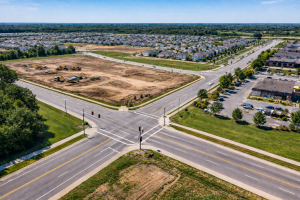
Urban areas face increased runoff from pavement and rooftops. Rural regions face long drainage paths, agricultural pressures, and rapidly changing storm events. This is where urban rural water engineering Nebraska needs becomes essential. Each environment requires a tailored solution that respects how water behaves on that specific site.
Designing Stormwater Systems That Work
Stormwater systems must be more than a set of pipes or basins on a plan sheet. They need to work with the land, not against it. Our team evaluates flow paths, soil capacity, infiltration potential, and the way water enters and leaves a site. This helps us design systems that move water efficiently and reduce long-term maintenance needs.
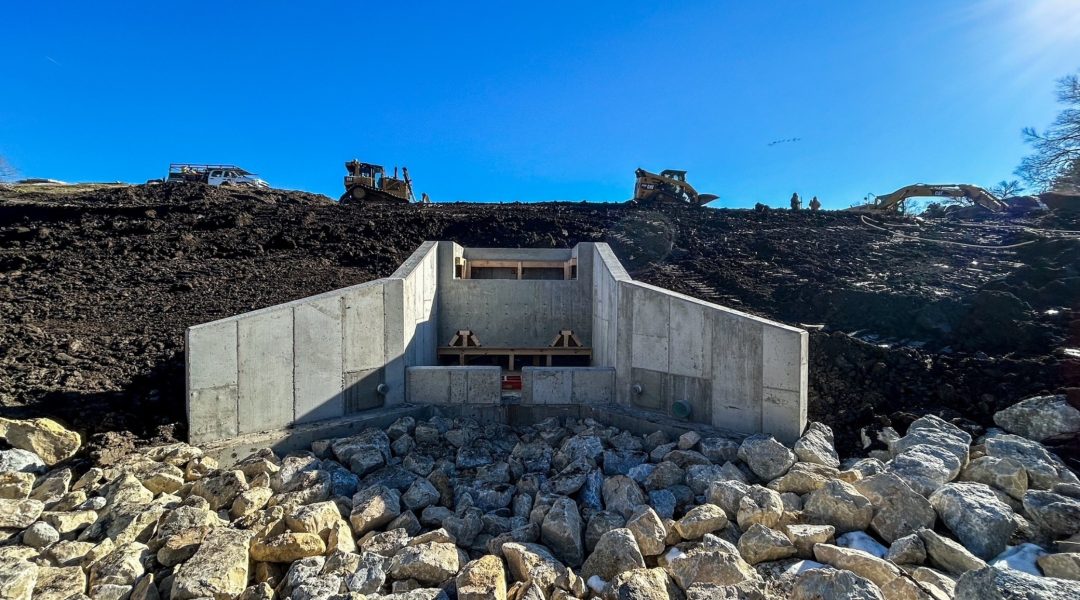
A strong stormwater infrastructure design Nebraska communities can rely on often includes elements such as controlled release structures, stabilized outlets, lined channels, and erosion control measures. These components work together to manage both daily runoff and larger storm events.
Supporting Both Rural and Urban Needs
Rural sites often require long drainage paths, culvert sizing, channel stabilization, and floodplain considerations. Urban sites rely on inlets, storm sewers, detention systems, and routing water safely around homes, roads, and businesses.
Even though the challenges are different, the goal is the same. Urban rural water engineering Nebraska depends on must protect people, property, and infrastructure. Our work focuses on solutions that match the environment, whether it is a small agricultural site or a large municipal development.
Field Experience Improves Outcomes
Water behaves differently in the field than it does on paper. That is why our team stays involved through every phase. We verify slopes, inspect culverts, review grading, and ensure that drainage systems perform as designed. Staying connected through construction reduces surprises and supports long-term performance.
Building Systems That Last
Good water resource engineering helps communities avoid costly failures. It reduces erosion, prevents washouts, protects structures, and keeps roadways safe. Every project we complete is designed to perform today and adapt to tomorrow’s conditions.
At Hazard Engineering, we take pride in supporting Nebraska’s communities with water systems that are practical, resilient, and designed for real-world conditions.