How Land Grading and Utility Design Impact Long Term Maintenance Costs

Hazard-Engineering-1.7-Blog

When a project is complete, the real test begins. Roads, drainage systems, and utilities must perform year after year under changing weather, traffic, and use. While maintenance costs are often treated as a future concern, many of the decisions that influence those costs are made during early design. Land grading and utility layout play a major role in how a site performs over time.

At Hazard Engineering, we focus on practical design choices that reduce long-term maintenance demands and support reliable infrastructure.

Why Grading Matters Beyond Construction

Land grading is more than shaping the ground for construction. It controls how water moves across a site, how loads are distributed, and how surfaces respond to weather. Poor grading can lead to ponding, erosion, pavement failure, and settlement. Each of these issues adds ongoing repair costs and operational headaches.

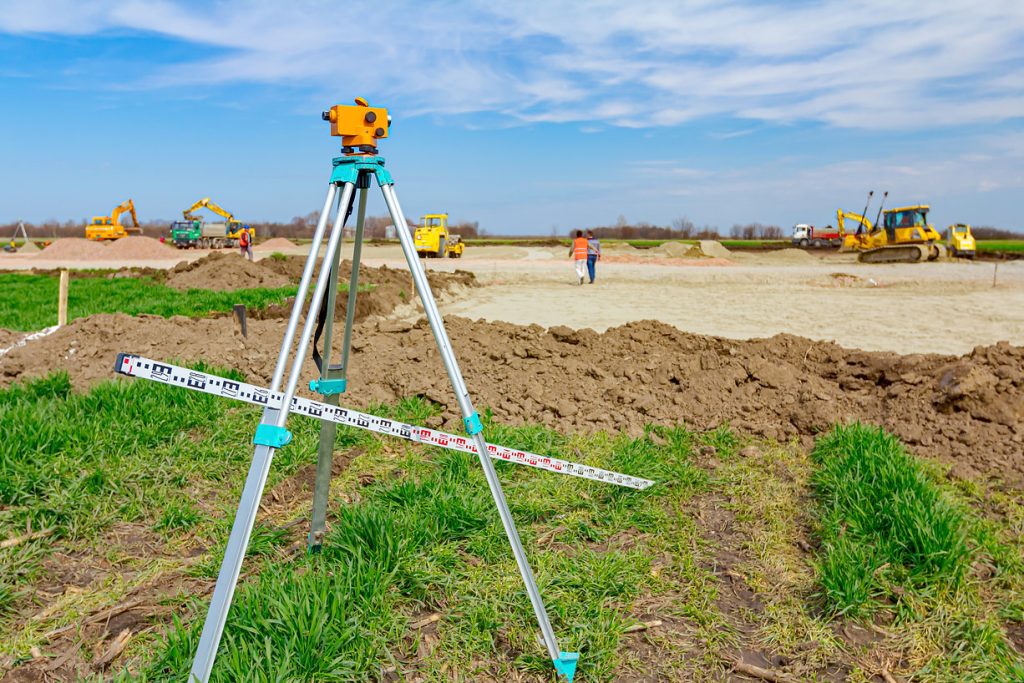
Thoughtful grading supports positive drainage, protects structures, and reduces wear on pavements and access routes. A strong approach to long-term maintenance site grading considers slope consistency, soil behavior, and how runoff will interact with the site throughout the year. When grading works with the land, maintenance needs drop significantly.

Utility Layout and Long-Term Performance

Utilities are often hidden once construction is complete, but their placement has lasting consequences. Efficient utility design site development requires careful planning of depth, alignment, access, and coordination with other infrastructure.

Poorly routed utilities can be difficult to access for repairs, conflict with drainage paths, or contribute to settlement. In contrast, well-planned utility layouts reduce future excavation, limit service disruptions, and make inspections and repairs more straightforward.

Coordinating utilities with grading early in the design process helps avoid conflicts that often lead to rework or future failures. This coordination is a key factor in reducing long-term maintenance costs.

Reducing Maintenance Through Coordination

One of the most effective ways to control future costs is coordination between grading, drainage, and utilities. When these systems are designed together, the site functions as a whole rather than a collection of parts.

For example, aligning utility corridors with stable grades reduces the risk of settlement. Designing drainage paths that protect utility trenches helps prevent erosion. These details may seem minor during design, but they have a major impact on how often maintenance crews need to return to a site.

A well-coordinated utility design site development plan also supports easier expansion and upgrades in the future.

Planning for Real World Conditions

Sites do not exist in perfect conditions. Weather, soil variability, and changing use all influence performance. An effective long-term maintenance site grading strategy accounts for these realities.

Our team evaluates soil conditions, water behavior, access requirements, and construction methods to design grading and utilities that hold up under real use. Staying involved through construction helps ensure that the design intent is carried into the field accurately.

Long-Term ROI for Developers and Cities

For developers and municipalities, maintenance costs directly affect budgets and return on investment. Reduced repairs, fewer service disruptions, and longer infrastructure life translate to real savings.Investing in thoughtful grading and utility design upfront leads to sites that perform better and cost less to maintain. At Hazard Engineering, our goal is to deliver designs that work not only on day one, but for decades to come.

Other Blogs