
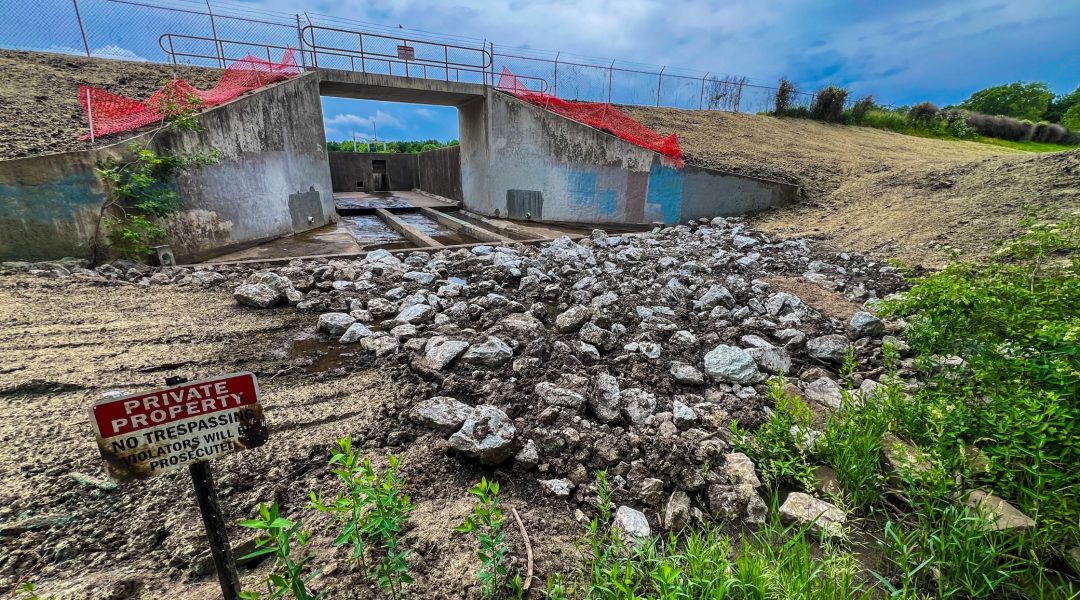
Stormwater management is a critical part of land development, and detention basins are among the most common tools for controlling runoff. While they may look like simple earthwork features on a site plan, detention basins play a major role in meeting regulatory requirements and protecting downstream infrastructure. Understanding a few key principles of stormwater detention design can help developers avoid costly redesigns, delays, or long-term maintenance problems.
Why Detention Basins Matter
When land is developed, natural surfaces such as grass and soil are replaced with impervious areas like roofs, pavement, and parking lots. These surfaces prevent rainfall from soaking into the ground, causing stormwater to run off more quickly and in greater volumes.
Detention basins temporarily store this runoff and release it at a controlled rate. The goal is to ensure that post-development runoff does not exceed pre-development conditions, protecting nearby properties, drainage systems, and waterways.
In many jurisdictions, including Nebraska, detention systems are required to meet specific detention basin requirements tied to local stormwater regulations and watershed standards.
Key Design Considerations
Developers often see detention basins late in the design process, but their placement and sizing influence the entire site layout. A well-designed basin begins with several fundamental considerations.
1. Proper Basin Sizing
The basin must be large enough to store runoff from major storm events. Engineers typically analyze multiple storm scenarios, such as the 2-year, 10-year, and 100-year storms, depending on local requirements. The basin volume and outlet structures are designed to release water slowly enough to avoid overwhelming downstream infrastructure.
2. Site Grading and Drainage Flow
A detention basin only works if stormwater can reach it efficiently. Grading plans must direct water through the site using swales, pipes, or storm inlets that funnel runoff into the basin. Improper grading can lead to ponding in parking lots or erosion along drainage paths.
3. Outlet Structure Design
The outlet structure controls how quickly water leaves the basin. This system may include orifice plates, weirs, or control structures that regulate discharge rates. Proper outlet design ensures the basin performs as intended during both small and large storm events.
4. Maintenance Access
Stormwater facilities require ongoing inspection and maintenance. Sediment buildup, debris, and vegetation can all affect performance over time. Design teams must ensure that basins include accessible slopes and entry points so maintenance crews can reach the facility when needed.
Local Compliance Matters
In Nebraska, stormwater compliance requirements often vary between municipalities and watershed districts. Some areas require additional modeling, water quality features, or coordination with regional drainage plans.
Developers who address stormwater compliance with Nebraska regulations early in the planning phase can prevent delays during the permitting process. Early coordination between developers, engineers, and municipalities helps ensure the basin design aligns with both site goals and regulatory expectations.
Planning Ahead for Long-Term Performance
A detention basin is not simply a regulatory requirement; it is an essential piece of infrastructure that protects the surrounding community. When designed correctly, it reduces flood risk, protects downstream systems, and supports long-term site stability.
Developers who understand the basics of stormwater detention design are better equipped to collaborate with engineers and make informed decisions during the planning process. Early attention to basin placement, grading coordination, and maintenance planning leads to more efficient designs and smoother project approvals.
Stormwater management begins long before construction starts. Getting the detention basin design right from the beginning helps ensure the entire project moves forward on solid ground.