Agricultural sites are fundamentally different from standard commercial developments. They support daily operations that involve heavy equipment, high traffic loads, water management demands, and strict regulatory requirements. Because of this, agricultural site design requires a practical, field focused approach that accounts for how a facility actually operates, not just how it looks on a plan.
Civil engineers play a critical role in shaping agricultural facilities that are efficient, durable, and adaptable. From early planning through construction support, engineers help ensure that agricultural engineering infrastructure performs reliably over the long term.
Drainage and Water Management
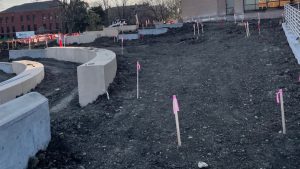
One of the most significant challenges in agricultural site design is managing water. Livestock and processing facilities generate runoff that must be controlled to protect surrounding land and waterways. Engineers evaluate drainage patterns, soil conditions, and flow paths to design systems that move water safely and predictably.
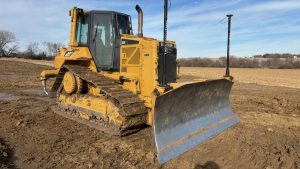
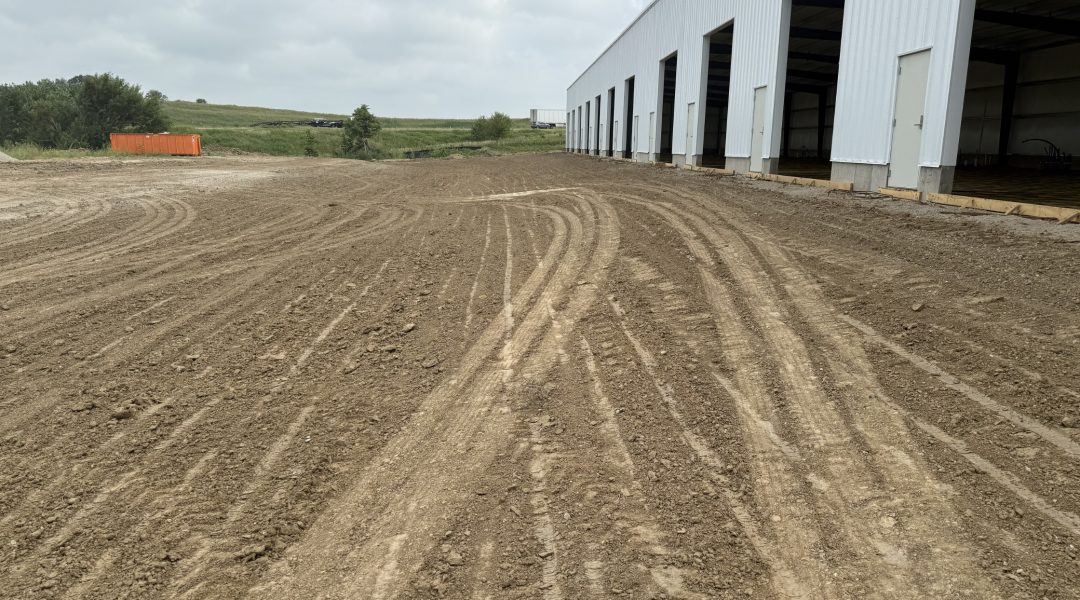
Thoughtful grading and drainage planning help prevent erosion, standing water, and compliance issues. These decisions are essential in farm and livestock site planning, where water behavior directly affects operations, maintenance, and environmental stewardship.
Designing for Heavy Loads and Traffic
Agricultural facilities are built to handle constant movement of heavy vehicles and equipment. Trucks, loaders, and livestock transport vehicles place stress on pavements and subgrades that standard designs may not withstand.
Engineers account for these demands by selecting appropriate pavement sections, designing access routes with adequate turning radii, and planning circulation that minimizes congestion. Proper agricultural engineering infrastructure design reduces wear and tear, lowers maintenance costs, and improves safety for operators and drivers.
Utility Demands and Coordination
Agricultural operations often require robust utility systems. Water supply, wastewater handling, electrical service, and stormwater systems must all be sized and coordinated to support current operations and future growth.
Early coordination of utilities is a key part of effective agricultural site design. Engineers plan utility corridors and connection points that allow facilities to expand without costly reconstruction. This foresight supports long term operational efficiency and reduces downtime when changes occur.
Supporting Operational Flow
Unlike many commercial sites, agricultural facilities operate on tight schedules tied to animal care, processing cycles, and seasonal demands. Poor layout decisions can disrupt workflow and create bottlenecks that impact productivity.
Farm and livestock site planning focuses on aligning building placement, access drives, and circulation routes with real operational needs. Engineers work closely with owners and operators to understand how the site functions day to day. This collaboration leads to layouts that support efficient movement of people, animals, and equipment.
Adapting to Real Agricultural Conditions
No two agricultural sites are the same. Soil types, topography, drainage patterns, and regulatory requirements vary widely across regions. Successful agricultural engineering infrastructure design adapts to these conditions rather than applying generic solutions.
Engineers use field experience and site specific data to tailor designs that work in real conditions. Staying involved through construction helps ensure that design intent is carried into the field accurately.
Building for Long Term Performance
Well designed agricultural sites perform better over time. They reduce maintenance needs, improve compliance, and support evolving operations. By addressing drainage, loads, utilities, and layout early, civil engineers help agricultural facilities remain resilient and efficient.
Through practical agricultural site design and thoughtful farm and livestock site planning, engineers support operations that are built to work today and adapt for the future.