Designing a facility for today’s needs is only part of the equation. The facilities that perform best over time are those planned with growth in mind from the very beginning. Whether the project is an agricultural operation or a commercial development, thoughtful site and infrastructure planning can make future expansion smoother, more affordable, and far less disruptive.
At Hazard Engineering, we approach site design with a long term mindset. Our goal is to help clients build facilities that can adapt as operations change, markets grow, and demands increase.
Why Planning Ahead Matters
Facilities rarely stay static. Agricultural operations expand herd sizes, add processing capabilities, or adjust workflows. Commercial sites grow tenant space, add parking, or expand utilities. Without early facility expansion planning, these changes often require expensive reconstruction, downtime, and redesign.
Planning ahead during initial site development helps avoid these challenges. By anticipating how a site may grow, engineers can create layouts and infrastructure systems that support future needs without major disruption.
Grading With Flexibility in Mind
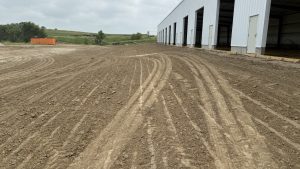
Grading plays a critical role in future expansion. A future-proof site design considers not only current building pads and access, but also potential expansion areas. Balanced grading allows additional structures or paved areas to be added later without major earthwork.
Engineers evaluate drainage patterns, slopes, and soil conditions to ensure future expansion zones remain buildable. This approach reduces the need for costly regrading and helps maintain proper drainage as the site evolves.
Utility Capacity and Infrastructure Planning
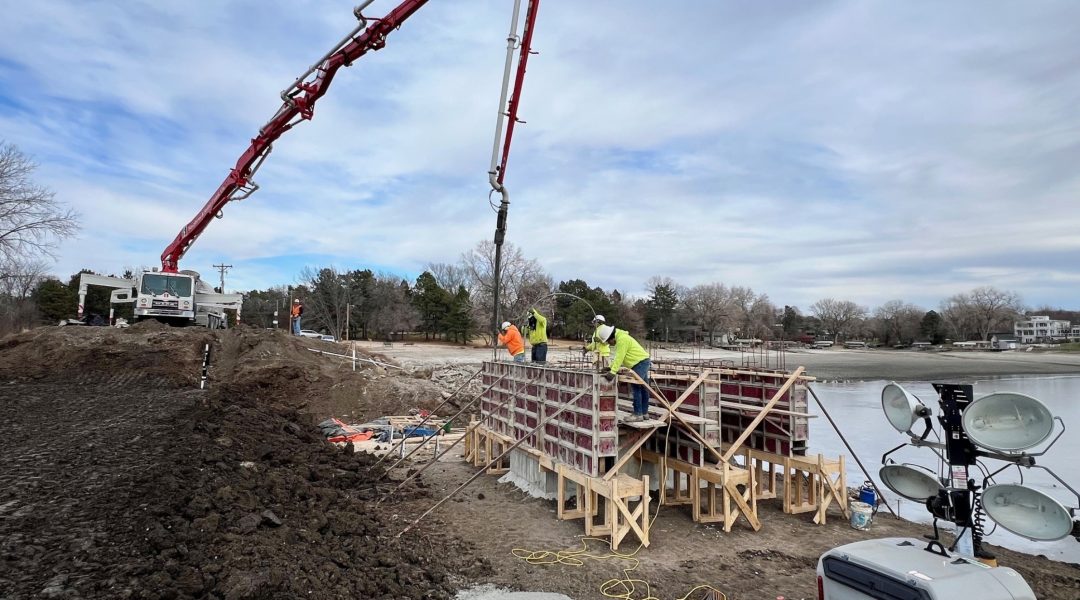
Utilities are often the most expensive components to upgrade later. Infrastructure planning agriculture projects require special attention to water, wastewater, electrical, and stormwater capacity. Designing utility systems with future demand in mind allows facilities to grow without replacing major infrastructure.
Oversizing key utility corridors, planning connection points, and coordinating with service providers early can save significant time and cost down the road. This type of infrastructure planning agriculture projects benefit from is a cornerstone of long lasting facility performance.
Layout That Supports Growth
Site layout affects everything from traffic flow to safety and efficiency. Future expansion planning considers how vehicles, equipment, and people move through a site today and how that movement may change over time.
By reserving space for future buildings, access drives, and circulation routes, engineers help ensure that expansion does not disrupt daily operations. A future-proof site design allows new construction to integrate smoothly into existing infrastructure.
Hazard Engineering’s Approach
At Hazard Engineering, we work closely with clients to understand both current needs and long term goals. Our team evaluates site constraints, operational workflows, and potential growth scenarios to develop designs that support flexibility and scalability.
Facility expansion planning is not about overbuilding. It is about making smart decisions early that protect investment and reduce future costs. Through thoughtful grading, utility planning, and layout foresight, we help facilities remain resilient and adaptable.
Building for What Comes Next
Facilities built with expansion in mind perform better over time. They adapt to growth, minimize disruption, and maintain efficiency as operations evolve. With a future-focused approach to site and infrastructure design, Hazard Engineering helps clients build facilities that are ready for what comes next, not just what is needed today.