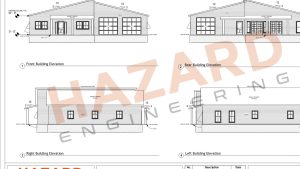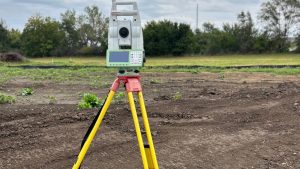

Civil engineering does not happen only behind a desk. While design software and technical calculations are essential, some of the most important lessons are learned in the field. Field experience gives engineers a deeper understanding of how plans translate into construction and how sites perform under real-world conditions.
An engineer who has spent time on active job sites approaches design differently. They understand equipment limitations, soil variability, and the realities of construction sequencing. This perspective shapes better decisions during the design process and leads to stronger overall project outcomes.
Understanding Constructability
Constructability is the ability to build a design efficiently and accurately on site. Engineers with field experience recognize when a grading plan may be difficult to execute or when utility layouts could create unnecessary conflicts.
Construction support engineering plays a major role in developing this awareness. By observing how contractors interpret plans and where challenges arise, engineers refine future designs to reduce confusion and rework. The result is clearer documentation and smoother construction phases.
Improving Problem Solving
No two sites are identical. Weather conditions, unexpected soil behavior, and coordination issues can quickly change project conditions. An involved site engineer learns how to adapt while maintaining design intent.
Field experience strengthens problem-solving skills by showing engineers firsthand how small design decisions can affect construction. This knowledge encourages proactive thinking during civil engineering site design, helping anticipate issues before they become costly delays.
Strengthening Communication
Civil engineering requires coordination between owners, contractors, inspectors, and other design professionals. Engineers who participate in construction support engineering gain insight into how communication impacts project efficiency.
Being on-site allows engineers to clarify intent, answer questions quickly, and adjust details as needed. An involved site engineer develops stronger communication habits, thereby improving collaboration and building trust among project partners.
Designing for Real Conditions
Design assumptions are tested in the field. Slopes may need adjustment, drainage patterns may behave differently than expected, and access routes may require refinement. Engineers with field experience understand these realities and design with flexibility in mind.
Rather than relying solely on theoretical calculations, experienced engineers integrate practical knowledge into civil engineering decisions. They consider how equipment will access the site, how materials will be placed, and how drainage systems will perform during heavy rainfall events.
Long-Term Project Benefits
Projects benefit when engineers stay connected to construction. Construction support engineering helps confirm that grading, utilities, and layout align with design intent. It also provides feedback that improves future projects.
Field experience creates engineers who design more clearly, communicate more effectively, and respond confidently to changing conditions. These qualities contribute to better site performance, fewer surprises, and stronger long-term results. At Hazard Engineering, staying involved throughout construction is integral to our civil engineering approach. By valuing field experience and practical engagement, our team delivers designs that work not only on paper but in real-world conditions.