Soil conditions are one of the most important factors in site development. Before pavement is placed or structures are built, the ground beneath must be evaluated and prepared to support long-term performance. Without proper subgrade preparation, civil engineering projects can experience settlement, cracking, and costly maintenance issues.
Civil engineers focus on understanding soil behavior early in the design process to ensure the site performs as intended.
Why Subgrade Preparation Matters
The subgrade is the native soil layer that supports pavement, foundations, and other site features. If this layer is weak, unstable, or inconsistent, it can compromise the entire project.
Effective subgrade preparation civil engineering ensures that soils are properly compacted, graded, and, when necessary, improved to meet design requirements. This process creates a stable base that supports loads from traffic, structures, and environmental conditions.
Poor subgrade conditions often lead to:
- Pavement cracking or rutting
- Uneven settlement
- Drainage issues
- Increased maintenance costs
Addressing these risks early is far more efficient than correcting them after construction.
Evaluating Soil Conditions
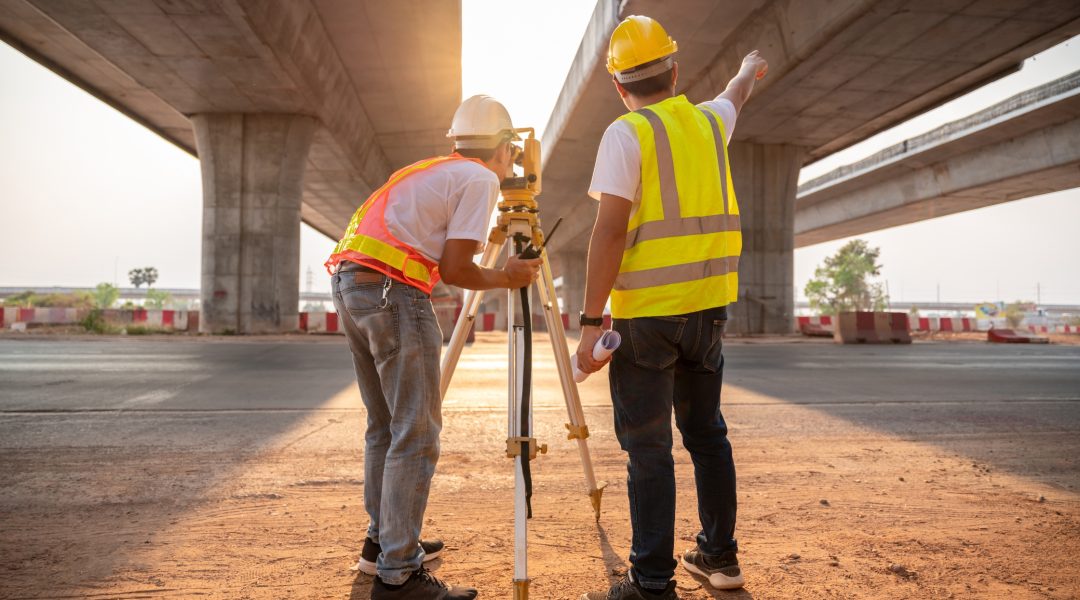
Before construction begins, engineers perform site investigations to understand soil composition and behavior. This may include geotechnical testing, soil borings, and laboratory analysis.
In regions like Nebraska, expansive soils Nebraska projects must account for are a common concern. These soils expand when wet and shrink when dry, which can cause movement beneath pavements and structures. Identifying these conditions early allows engineers to plan appropriate solutions.
This evaluation phase is a key part of soil stabilization site development, as it determines whether native soils can be used as-is or require improvement.
Soil Stabilization Methods
When soils do not meet performance requirements, engineers implement stabilization techniques to improve strength and durability. The goal of soil stabilization site development is to create a consistent and reliable subgrade that supports long-term use.
Common methods include:
1. Mechanical Stabilization
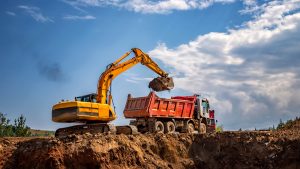
This involves reworking and compacting soil to improve density and strength. In some cases, unsuitable material is removed and replaced with engineered fill.
2. Chemical Stabilization
Additives such as lime or cement are mixed into the soil to increase strength and reduce moisture sensitivity. This method is often used when dealing with expansive soils Nebraska developments frequently encounter.
3. Geosynthetic Reinforcement
Materials such as geotextiles or geogrids can be installed to provide additional support and distribute loads more evenly.
Each method is selected based on site conditions, project requirements, and long-term performance goals.
Drainage and Moisture Control
Moisture plays a major role in soil performance. Even a well-prepared subgrade can fail if water is not properly managed. Engineers design grading and drainage systems to control how water moves through and around the site.
Incorporating drainage into subgrade preparation civil engineering helps maintain soil stability and prevents saturation that can weaken the subgrade over time.
Long-Term Performance Starts Below the Surface
Subgrade preparation is not always visible, but it directly impacts how a site performs for years to come. Proper evaluation, stabilization, and moisture control reduce the risk of future issues and support overall project durability.
Through careful soil stabilization site development, and attention to regional conditions like expansive soils in Nebraska, civil engineers help create a foundation that supports reliable infrastructure.Strong projects start below the surface. Getting the subgrade right ensures everything built above it performs as intended.