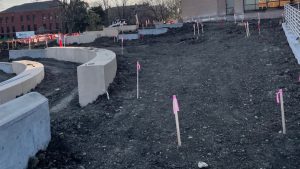
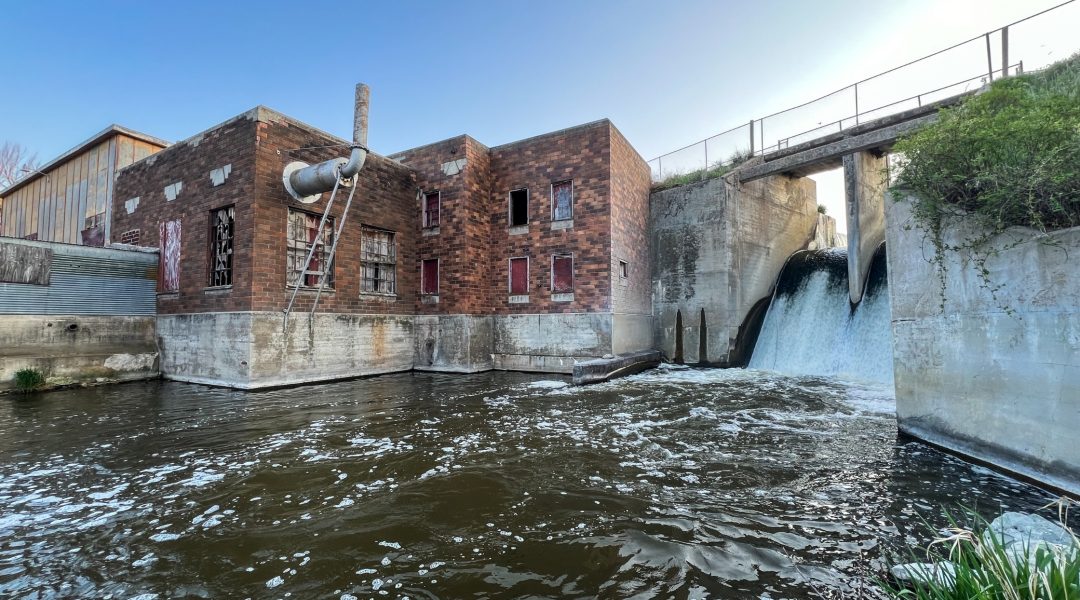
Sustainability starts long before construction begins. While finished buildings and visible features often get the attention, many of the most important sustainability decisions happen during early site design. Civil engineers play a critical role in shaping how a project interacts with the land, water, and surrounding environment for decades to come.
At its core, sustainable civil engineering focuses on designing sites that function efficiently, reduce long term maintenance needs, and protect natural systems. Thoughtful planning during grading, drainage, and material selection creates a strong foundation for responsible development.
Designing With the Land, Not Against It
One of the first ways civil engineers support sustainability is through grading. Rather than forcing a site into an unnatural shape, engineers evaluate existing topography and soil conditions to work with the land. Balanced grading reduces the amount of material moved on and off site, which lowers fuel use and construction costs.
Smart grading also supports erosion control by directing water where it can flow safely. When slopes are designed correctly, sediment loss is minimized and surrounding areas are better protected. This approach is a key part of green site design and helps prevent long term environmental damage.
Stormwater Management and Drainage Planning
Water is one of the most important elements of sustainable site design. Civil engineers design drainage systems that manage runoff while protecting downstream infrastructure and waterways. Instead of moving water as quickly as possible, modern stormwater planning focuses on slowing, filtering, and safely conveying runoff.
Techniques such as detention areas, vegetated swales, and infiltration features help reduce peak flows and improve water quality. These systems are not only environmentally responsible but also reduce stress on municipal infrastructure. Sustainable civil engineering solutions like these help sites perform better during heavy rainfall while limiting long term maintenance costs.
Reducing Maintenance Through Smart Planning
Sustainability is not only about environmental impact. It is also about long term performance. Poor site design can lead to ongoing repairs, erosion issues, and infrastructure failure. Civil engineers plan utility layouts, pavement sections, and drainage systems that last longer and require fewer repairs over time.
Green site design considers how materials age, how water interacts with infrastructure, and how access for maintenance is provided. When these details are addressed early, owners benefit from lower operational costs and fewer disruptions.
Supporting Green Infrastructure
Civil engineers often integrate green infrastructure into site designs to support sustainability goals. This may include permeable pavements, natural drainage features, or landscape elements that manage water naturally. These systems blend function with environmental stewardship and improve site resilience.
By coordinating these elements with grading and utilities, engineers ensure that green features work as intended and are practical to maintain.
Building Projects That Perform Long Term
Sustainable development is not a trend. It is a long term commitment to building smarter and more responsibly. Through careful planning, sustainable civil engineering supports projects that perform efficiently, protect natural resources, and adapt to future needs.
By focusing on green site design from the start, civil engineers help create projects that benefit communities today and remain reliable well into the future.