What Civil Engineers Evaluate Before a Site Is Ready for Design

Hazard-Engineering-2.18-Blog

Before lines are drawn on a plan set, a great deal of work happens behind the scenes. Successful projects begin with understanding the site itself. A thorough site feasibility study and early technical review help identify risks, constraints, and opportunities before design officially begins.

A strong pre-design site evaluation reduces surprises later in the project. It allows engineers, developers, and owners to make informed decisions that protect budget, schedule, and long-term performance.

Understanding Topography and Existing Conditions

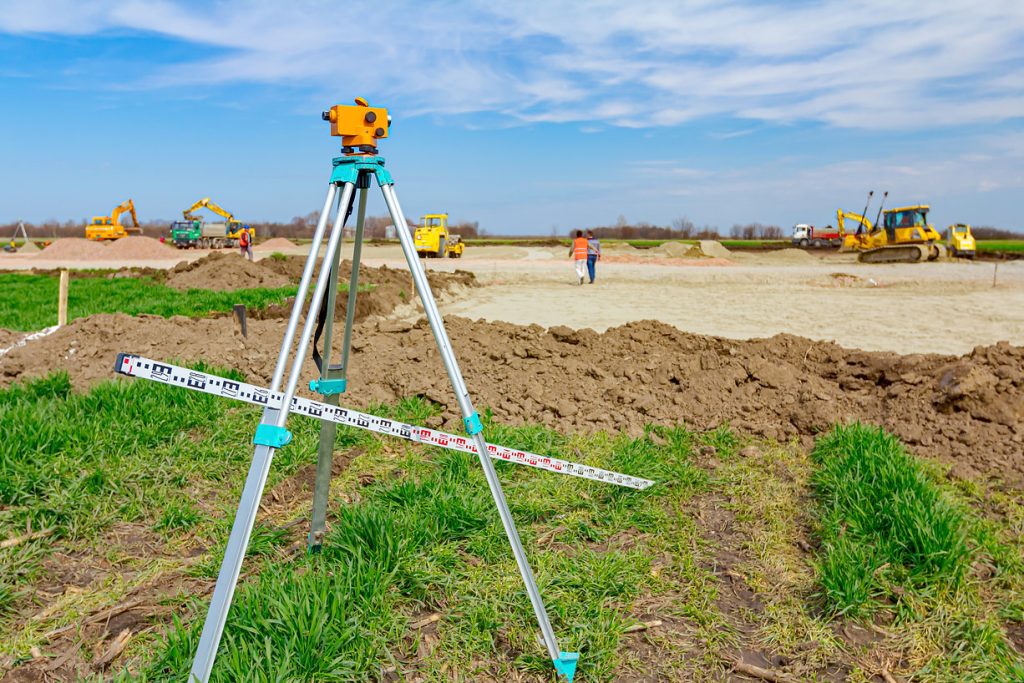
Topography shapes everything that follows. Elevation changes influence drainage patterns, building placement, and access routes. During civil engineering site analysis, engineers review survey data to understand slopes, high and low points, and potential grading challenges.

Subtle elevation differences can significantly impact drainage design. Identifying these conditions early allows engineers to plan balanced grading strategies rather than reacting during construction.

Evaluating Soils and Subsurface Conditions

Soil conditions affect pavement design, foundation stability, and long-term site performance. A pre-design site evaluation typically includes reviewing geotechnical information to understand bearing capacity, compaction requirements, and drainage characteristics.

If soils are weak or highly expansive, engineers can adjust grading or pavement design accordingly. Addressing these factors during the site feasibility study helps avoid costly redesign and construction delays.

Identifying Drainage Paths and Water Behavior

Water is one of the most important factors in site development. During civil engineering site analysis, engineers evaluate how water currently moves across the property and how it may behave after development.

Understanding natural drainage paths helps prevent issues such as ponding, erosion, and flooding. A thorough site feasibility study identifies areas that require detention, stormwater infrastructure, or grading adjustments before detailed design begins.

Reviewing Utilities and Access

Existing utilities can significantly influence site layout. Engineers assess the location and capacity of water, sanitary, stormwater, and electrical services during the pre-design site evaluation phase. Knowing where connections are available and whether upgrades are needed helps shape realistic plans.

Access and circulation are also evaluated early. Traffic flow, driveway locations, and potential conflicts with existing infrastructure are reviewed during civil engineering site analysis to support safe and efficient design decisions.

Recognizing Site Constraints

Every site has constraints. Zoning requirements, floodplain limits, environmental considerations, and setback restrictions all influence how a property can be developed. Identifying these constraints during the site feasibility study allows teams to adjust expectations before design resources are heavily invested.

Early coordination with local agencies and utility providers is often part of this evaluation process. Clear communication reduces uncertainty and supports smoother project progression.

Reducing Risk Through Early Analysis

Projects that skip early evaluation often face redesign, change orders, or construction challenges. A comprehensive pre-design site evaluation helps teams anticipate issues rather than react to them.At Hazard Engineering, civil engineering site analysis is a critical first step in every project. By carefully reviewing topography, soils, drainage, utilities, and constraints, we help clients move forward with confidence. Thoughtful early planning supports efficient design, fewer surprises, and stronger long-term site performance.

Other Blogs